In an era where digital communication and content sharing have become integral to our daily lives, the ability to capture and share what happens on our screens has gained immense popularity. The iPhone, a device that has revolutionized mobile technology, offers a built-in screen recording feature that allows users to document their activities seamlessly. This functionality is particularly useful for creating tutorials, sharing gameplay, or preserving important information displayed on the screen.
However, one of the most sought-after aspects of screen recording is the ability to include sound, which enhances the overall experience and provides context to the visuals being captured. The integration of sound into screen recordings can significantly elevate the quality of the content produced. Whether it’s narrating a tutorial, capturing in-game audio, or including background music, sound adds a layer of depth that visuals alone cannot convey.
Understanding how to effectively utilize this feature on an iPhone can empower users to create more engaging and informative content. This article delves into the intricacies of iPhone screen recording with sound, providing insights into its functionality, step-by-step instructions for enabling sound, tips for achieving high-quality recordings, and troubleshooting common issues.
Understanding the Screen Recording Feature on iPhone
The screen recording feature on the iPhone is a powerful tool that allows users to capture everything displayed on their device’s screen. Introduced in iOS 11, this feature has become increasingly popular among users who wish to create content for social media, educational purposes, or personal use. The screen recording function is easily accessible through the Control Center, making it convenient for users to initiate recordings without navigating through multiple menus.
When activated, the screen recording captures not only the visual elements displayed on the screen but can also include audio from various sources. This includes sounds generated by apps, system sounds, and even external audio if configured correctly. The versatility of this feature makes it suitable for a wide range of applications, from recording gameplay sessions to creating instructional videos that require voiceovers.
Understanding how this feature works and its capabilities is essential for anyone looking to leverage it effectively.
How to Enable Sound for Screen Recording on iPhone
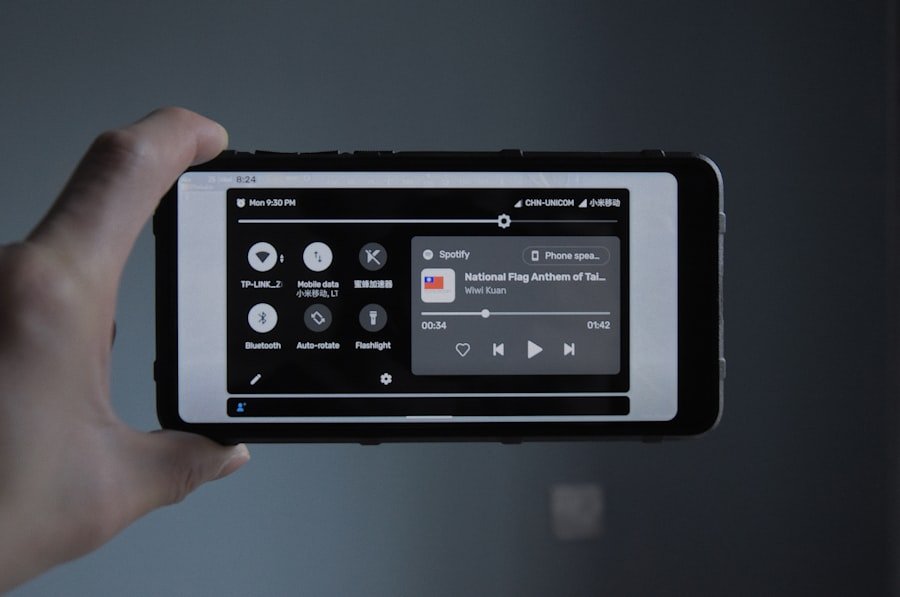
To make the most of the screen recording feature on an iPhone, enabling sound is a crucial step that users must take. By default, screen recordings may not capture audio unless specifically configured to do so. To enable sound for your recordings, you need to adjust settings within the Control Center before starting your recording session.
This process is straightforward and can be accomplished in just a few taps. First, ensure that your iPhone is updated to the latest version of iOS, as updates often include enhancements and bug fixes related to features like screen recording. Next, access the Control Center by swiping down from the top-right corner of the screen on iPhones with Face ID or swiping up from the bottom edge on older models with a Home button.
In the Control Center, locate the screen recording icon, which resembles a solid circle encased in a larger circle. To enable audio capture, press and hold this icon until additional options appear. Here, you will see a microphone icon; tapping this icon will turn it on, allowing your recordings to capture external audio through your device’s microphone.
Step-by-Step Guide to Capture iPhone Screen with Sound
| Step | Description |
|---|---|
| 1 | Open the Control Center on your iPhone |
| 2 | Tap the Screen Recording button |
| 3 | Press and hold the Screen Recording button to enable microphone audio |
| 4 | Tap Start Recording |
| 5 | To stop recording, tap the red status bar at the top of the screen and then tap Stop |
Capturing your iPhone screen with sound involves a series of straightforward steps that ensure you get high-quality recordings tailored to your needs. Begin by preparing your device and ensuring that any necessary apps or content you wish to record are open and ready. Once you have everything set up, follow these steps for a successful recording.
Start by accessing the Control Center as previously described. After enabling sound by tapping the microphone icon, you can initiate the recording by tapping the screen recording icon. A countdown timer will appear, giving you a brief moment to prepare before the recording begins.
During this countdown, ensure that you are ready to showcase what you want to capture. Once the timer ends, your iPhone will start recording everything displayed on the screen along with any audio input from your microphone. To stop the recording, you can either tap the red status bar at the top of your screen and select “Stop,” or return to the Control Center and tap the screen recording icon again.
After stopping the recording, a notification will appear confirming that your video has been saved to your Photos app. From there, you can edit or share your recording as needed.
Tips for High-Quality Screen Recording with Sound on iPhone
Achieving high-quality screen recordings with sound requires attention to detail and an understanding of best practices that can enhance your final product. One of the primary considerations is ensuring that your environment is conducive to clear audio capture. Background noise can detract from the quality of your recordings; therefore, it’s advisable to find a quiet space where interruptions are minimized.
If you are narrating during your recording, speaking clearly and at a moderate pace will help ensure that your voice is easily understood. Additionally, consider using external microphones if available. While the built-in microphone on an iPhone is capable of capturing sound effectively, an external microphone can provide superior audio quality and reduce ambient noise interference.
This is particularly beneficial for tutorials or presentations where clarity is paramount. Furthermore, adjusting your device’s volume settings before starting a recording can help balance system sounds with your voiceover or other audio inputs. Another tip for high-quality recordings is to plan your content ahead of time.
Having a clear outline or script can help you stay focused during the recording process and ensure that you cover all necessary points without unnecessary pauses or distractions. Finally, take advantage of editing tools available in the Photos app or third-party video editing software to refine your recordings post-capture. Trimming unnecessary sections or adding background music can enhance viewer engagement and improve overall production quality.
Troubleshooting Common Issues with iPhone Screen Recording
Despite its user-friendly design, users may encounter various issues when attempting to record their screens on an iPhone. One common problem is that users may find that their recordings do not include sound even after enabling it in the Control Center. This issue can often be resolved by double-checking that the microphone icon is activated before starting the recording session.
Additionally, ensuring that no other apps are interfering with audio output can help mitigate this problem. Another frequent issue involves performance lag during screen recordings, which can result in choppy video playback or dropped frames. This lag may occur if there are too many applications running in the background or if storage space is limited on the device.
To address this issue, close any unnecessary apps before starting your recording and check available storage under Settings > General > iPhone Storage. If storage is low, consider deleting unused apps or media files to free up space. Users may also experience difficulties in locating their recorded videos after stopping a session.
By default, all screen recordings are saved in the Photos app under “Albums” > “Videos.” If you cannot find your recording there, ensure that you have not accidentally deleted it or that it did not fail to save due to insufficient storage space.
Alternative Methods for Capturing iPhone Screen with Sound
While the built-in screen recording feature on iPhones is robust and user-friendly, there are alternative methods available for capturing screen activity with sound if users seek different functionalities or experiences. One such method involves using third-party applications designed specifically for screen recording purposes. These apps often come with additional features such as advanced editing tools, customizable settings for resolution and frame rate, and options for adding annotations during recordings.
Popular third-party apps like TechSmith Capture and DU Recorder offer enhanced capabilities compared to native options. For instance, TechSmith Capture allows users to record their screens while simultaneously capturing video from their front-facing camera, making it ideal for creating reaction videos or tutorials where face-to-face interaction is beneficial. DU Recorder provides extensive editing features post-capture, enabling users to trim videos, add music tracks, and incorporate text overlays seamlessly.
Another alternative method involves using a computer as an intermediary device for capturing iPhone screens through software like QuickTime Player for Mac users or third-party applications like ApowerMirror for Windows users. By connecting an iPhone via USB cable and using these applications, users can record their screens while also having more control over audio settings and video quality.
Making the Most of Screen Recording with Sound on iPhone
The ability to record your iPhone screen with sound opens up a world of possibilities for content creation and sharing. By understanding how to effectively utilize this feature—enabling sound correctly, following best practices for high-quality recordings, troubleshooting common issues, and exploring alternative methods—users can enhance their digital storytelling capabilities significantly. Whether you’re creating educational content, sharing gameplay highlights, or documenting important information for personal use, mastering iPhone screen recording with sound can elevate your projects and engage your audience more effectively than ever before.
FAQs
What is screen recording on iPhone?
Screen recording on iPhone is a feature that allows you to capture a video of your device’s screen, including any audio that is playing, such as game sounds or voice memos.
How do I enable screen recording on my iPhone?
To enable screen recording on your iPhone, go to Settings > Control Center > Customize Controls, then tap the “+” button next to “Screen Recording” to add it to your Control Center.
How do I start a screen recording with sound on my iPhone?
To start a screen recording with sound on your iPhone, swipe down from the top-right corner of the screen to open Control Center, then tap the screen recording icon. Before you start recording, press and hold the screen recording icon to enable microphone audio.
Can I record internal audio with screen recording on iPhone?
As of iOS 14, iPhone screen recording does not support recording internal audio, such as the sound from apps or games. However, you can enable microphone audio to capture external sounds while screen recording.
How do I stop a screen recording on my iPhone?
To stop a screen recording on your iPhone, tap the red recording indicator at the top of the screen, or open Control Center and tap the screen recording icon again. You can also end the recording by tapping the red status bar at the top of the screen and selecting “Stop.”
Where can I find my screen recordings on my iPhone?
After you stop a screen recording on your iPhone, the video will be saved to the Photos app in the “Screenshots” album. From there, you can edit, share, or delete the recording as needed.