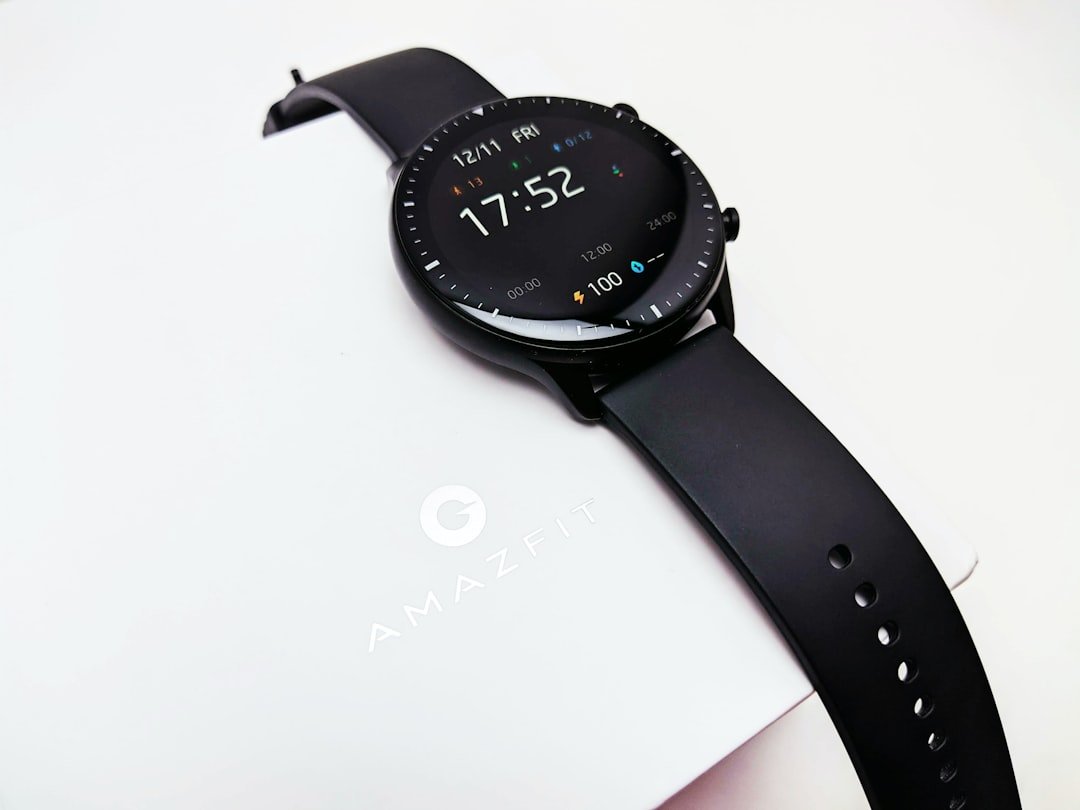
In recent years, the proliferation of fitness trackers has transformed the landscape of personal health management. These devices, often worn on the wrist or integrated into clothing, have become ubiquitous among health-conscious individuals and casual users alike. They serve as a bridge between technology and wellness, providing users with real-time data about their physical activity, sleep patterns, heart rate, and more.
The rise of fitness trackers is not merely a trend; it reflects a broader societal shift towards proactive health management and self-quantification. As people become increasingly aware of the importance of maintaining a healthy lifestyle, fitness trackers have emerged as essential tools for monitoring and improving overall well-being. The appeal of fitness trackers lies in their ability to empower users with information.
By quantifying various aspects of health and fitness, these devices enable individuals to set goals, track progress, and make informed decisions about their lifestyle choices. The integration of mobile applications further enhances this experience, allowing users to visualize their data, receive personalized feedback, and connect with communities for motivation and support. As technology continues to evolve, the capabilities of fitness trackers are expanding, making them more sophisticated and user-friendly than ever before.
Key Takeaways
- Fitness trackers are wearable devices that monitor health and fitness metrics such as heart rate, sleep patterns, and physical activity.
- Fitness trackers monitor health through sensors that track various metrics such as heart rate, steps taken, and sleep patterns.
- The accuracy and reliability of fitness tracker data can vary depending on the brand and model, and may not always be as precise as medical-grade devices.
- Using fitness trackers for health monitoring can provide benefits such as increased awareness of physical activity levels, motivation for exercise, and tracking progress towards fitness goals.
- Potential limitations of fitness tracker health monitoring include inaccurate data, limited functionality for certain health conditions, and privacy concerns.
How Fitness Trackers Monitor Health
Fitness trackers utilize a variety of sensors and technologies to monitor health metrics. At the core of most devices is an accelerometer, which detects movement and measures physical activity levels. This sensor can track steps taken, distance traveled, and even the intensity of workouts.
Many advanced models also incorporate gyroscopes and altimeters to provide more detailed insights into activities such as cycling or climbing stairs. By analyzing this data, fitness trackers can offer users a comprehensive view of their daily activity levels. In addition to tracking physical activity, many fitness trackers are equipped with heart rate monitors that use photoplethysmography (PPG) technology.
This method involves shining a light through the skin to measure blood flow, allowing the device to calculate heart rate in real time. Some trackers also offer features like sleep monitoring, which analyzes movement patterns during sleep cycles to provide insights into sleep quality and duration. By aggregating this data over time, users can identify trends and make adjustments to their routines to improve their overall health.
Accuracy and Reliability of Fitness Tracker Data
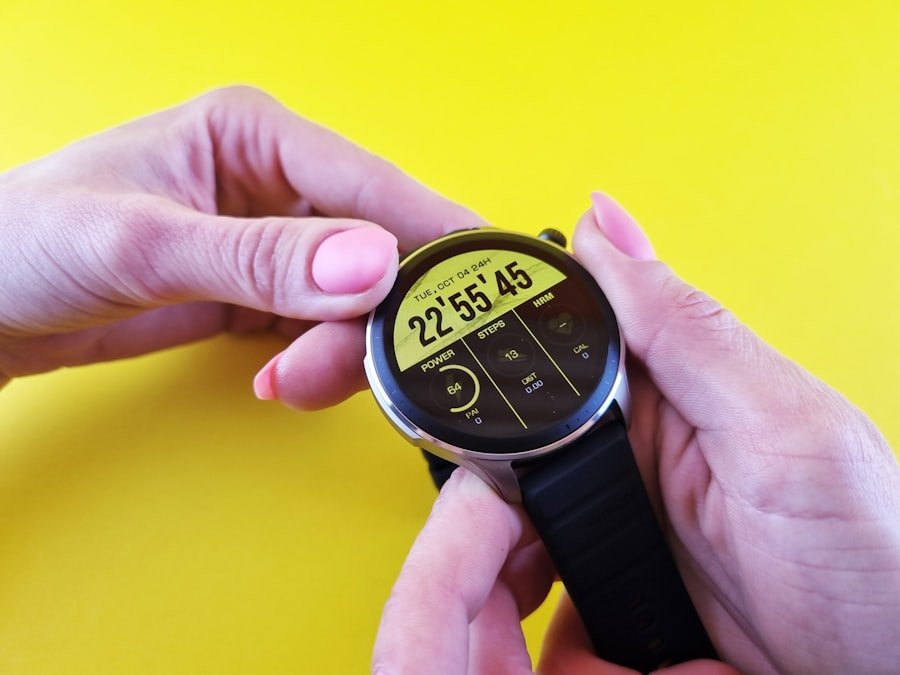
While fitness trackers provide valuable insights into health metrics, questions about the accuracy and reliability of their data persist. The precision of step counting can vary significantly between devices due to differences in sensor quality and algorithms used for data interpretation. Research has shown that some fitness trackers may overestimate or underestimate step counts, particularly during activities that involve irregular movements or when the device is not worn correctly.
Heart rate monitoring is another area where accuracy can be a concern. While many fitness trackers provide reasonably accurate heart rate readings during steady-state activities like walking or running, they may struggle during high-intensity workouts or when the user is experiencing rapid changes in heart rate. Studies have indicated that wrist-based heart rate monitors can have discrepancies compared to chest strap monitors, which are considered the gold standard for accuracy.
Users should be aware of these limitations and consider using fitness trackers as a general guide rather than an exact measurement tool.
Benefits of Using Fitness Trackers for Health Monitoring
| Benefits of Using Fitness Trackers for Health Monitoring |
|---|
| 1. Track daily steps |
| 2. Monitor heart rate |
| 3. Measure calorie burn |
| 4. Record sleep patterns |
| 5. Set and achieve fitness goals |
| 6. Receive reminders to move |
| 7. Monitor stress levels |
The benefits of using fitness trackers for health monitoring are manifold. One of the most significant advantages is the ability to set personalized goals based on individual health metrics. Users can establish targets for daily steps, exercise duration, or calorie expenditure, fostering a sense of accountability and motivation.
This goal-oriented approach encourages individuals to engage in regular physical activity, which is crucial for maintaining a healthy lifestyle. Moreover, fitness trackers can facilitate behavioral changes by providing real-time feedback. For instance, receiving notifications about inactivity can prompt users to take breaks from prolonged sitting or encourage them to engage in short bursts of activity throughout the day.
This immediate feedback loop can be particularly effective in promoting healthier habits and reducing sedentary behavior. Additionally, many fitness trackers offer social features that allow users to connect with friends or join challenges, creating a sense of community that can further enhance motivation and adherence to fitness goals.
Potential Limitations of Fitness Tracker Health Monitoring
Despite their numerous advantages, fitness trackers are not without limitations. One significant concern is the potential for data overload. With an abundance of metrics available at users’ fingertips, it can be overwhelming to interpret the information effectively.
Users may become fixated on specific numbers—such as step counts or calorie burn—leading to anxiety or unhealthy behaviors if they feel they are not meeting their targets. Another limitation is the reliance on self-reported data for certain metrics, such as food intake or mood tracking. Many fitness apps allow users to log their meals or emotional states; however, this information is subject to bias and inaccuracies.
Users may forget to log meals or may not accurately estimate portion sizes, leading to skewed data that does not reflect their true dietary habits or emotional well-being. Consequently, while fitness trackers can provide valuable insights into health behaviors, they should be used in conjunction with other methods of health monitoring for a more comprehensive understanding.
The Role of Artificial Intelligence in Fitness Tracker Health Monitoring
Artificial intelligence (AI) is playing an increasingly pivotal role in enhancing the capabilities of fitness trackers for health monitoring. By leveraging machine learning algorithms, these devices can analyze vast amounts of user data to identify patterns and provide personalized recommendations. For instance, AI can help predict when a user is likely to reach their activity goals based on historical data and suggest tailored workout plans that align with their preferences and fitness levels.
Moreover, AI-driven analytics can improve the accuracy of health metrics by refining algorithms that interpret sensor data. This advancement allows for more precise tracking of heart rate variability, sleep stages, and even stress levels based on physiological responses. As AI technology continues to evolve, it holds the potential to revolutionize how fitness trackers function, making them not only more accurate but also more intuitive in understanding individual health needs.
Future Developments in Fitness Tracker Health Monitoring Technology
The future of fitness tracker health monitoring technology is poised for exciting advancements that will further enhance user experience and data accuracy. One area of development is the integration of advanced biometric sensors capable of measuring additional health metrics such as blood glucose levels or hydration status. Such innovations could provide users with a more holistic view of their health and enable them to make informed decisions about nutrition and hydration.
Furthermore, the incorporation of augmented reality (AR) into fitness tracking could transform how users interact with their devices. Imagine a scenario where users could visualize their workout progress in real-time through AR glasses or receive guided workouts that adapt based on their performance metrics displayed in their field of vision. This immersive experience could make exercising more engaging while providing immediate feedback on form and technique.
Tips for Getting the Most Out of Your Fitness Tracker for Health Monitoring
To maximize the benefits of a fitness tracker for health monitoring, users should consider several practical tips. First and foremost, it is essential to wear the device consistently and correctly; improper placement can lead to inaccurate readings. Users should familiarize themselves with the specific features of their device and explore all available settings to customize notifications and goals according to personal preferences.
Additionally, integrating the use of a fitness tracker with other health management tools can enhance its effectiveness. For example, pairing a fitness tracker with a nutrition app can provide a comprehensive view of both physical activity and dietary habits. Regularly reviewing progress through the app’s analytics can help users identify trends over time and adjust their routines accordingly.
Lastly, engaging with online communities or local groups centered around fitness tracking can provide motivation and support while fostering accountability in achieving health goals.
FAQs
What are fitness trackers?
Fitness trackers are wearable devices that monitor and track various health metrics such as heart rate, steps taken, distance traveled, calories burned, and sleep patterns.
How do fitness trackers monitor health metrics?
Fitness trackers use sensors such as accelerometers, heart rate monitors, and GPS to track and monitor health metrics. The data collected is then processed and displayed on the device or a connected app.
What health metrics can fitness trackers monitor?
Fitness trackers can monitor a wide range of health metrics including heart rate, steps taken, distance traveled, calories burned, sleep patterns, and in some cases, blood oxygen levels and stress levels.
Are fitness trackers accurate in monitoring health metrics?
The accuracy of fitness trackers in monitoring health metrics can vary depending on the brand and model. While they can provide a general idea of health metrics, they may not always be 100% accurate.
How can fitness tracker data be used to improve health and fitness?
Fitness tracker data can be used to set and track fitness goals, monitor progress, and make informed decisions about exercise, diet, and sleep patterns. It can also provide valuable insights into overall health and well-being.
Are there any limitations to fitness trackers in monitoring health metrics?
Some limitations of fitness trackers include accuracy issues, limited battery life, and the inability to track certain health metrics such as blood pressure or blood glucose levels. Additionally, they may not be suitable for everyone, such as individuals with certain medical conditions.