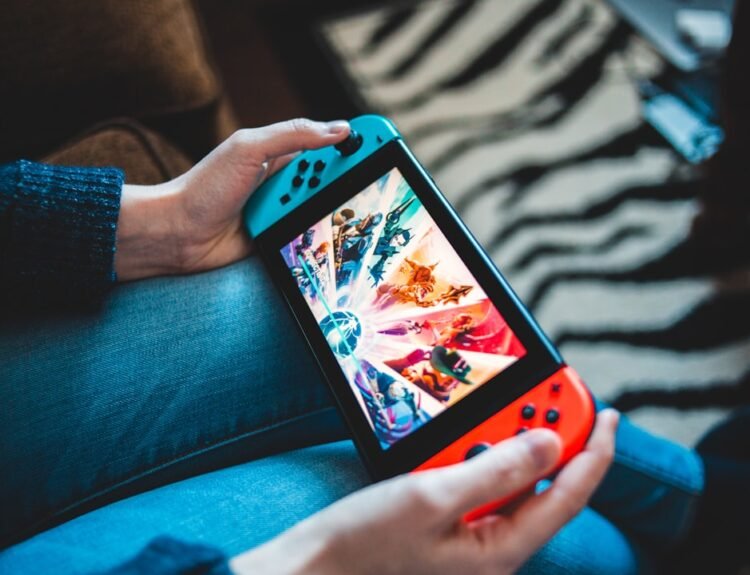
Refresh rates, measured in hertz (Hz), indicate how many times a display updates its image per second. For instance, a refresh rate of 60 Hz means the screen refreshes 60 times in one second. This metric is crucial for various applications, particularly in gaming, where rapid visual changes occur.
The refresh rate directly influences how smooth and fluid the motion appears on the screen. A higher refresh rate can lead to a more immersive experience, as it reduces motion blur and enhances clarity during fast-paced action sequences. In the realm of mobile devices, refresh rates have evolved significantly over the years.
Traditional smartphones typically operated at 60 Hz, which sufficed for basic tasks and casual gaming. However, as mobile gaming has surged in popularity, manufacturers have begun to adopt higher refresh rates, such as 90 Hz, 120 Hz, and even 144 Hz. This shift is not merely a marketing gimmick; it reflects a growing understanding of how refresh rates can enhance user experience, particularly in dynamic environments where quick reactions are essential.
Key Takeaways
- Refresh rate refers to the number of times a display refreshes the image on the screen per second, measured in Hertz (Hz).
- Higher refresh rates, such as 90Hz or 120Hz, can significantly improve gaming performance by providing smoother and more responsive gameplay.
- Advantages of higher refresh rates include reduced motion blur, improved visual clarity, and a more immersive gaming experience.
- Mobile devices with higher refresh rates are becoming more common, offering mobile gamers the opportunity to enjoy smoother gameplay on the go.
- Smooth gameplay is crucial for mobile gamers, as it can enhance their overall gaming experience and give them a competitive edge.
Impact on Gaming Performance
The impact of refresh rates on gaming performance cannot be overstated. In competitive gaming scenarios, where split-second decisions can determine victory or defeat, a higher refresh rate can provide a significant advantage. For example, in first-person shooters (FPS) like “Call of Duty: Mobile” or “PUBG Mobile,” players with devices that support higher refresh rates often report smoother gameplay and improved responsiveness.
This is because higher refresh rates allow for more frames to be displayed in a given time frame, making it easier to track moving targets and react accordingly. Moreover, the relationship between refresh rates and frame rates is critical. Frame rate refers to how many frames per second (FPS) the game engine produces.
If a game runs at 120 FPS but is displayed on a 60 Hz screen, the player will not experience the full benefit of the higher frame rate. Conversely, if a device supports a 120 Hz refresh rate but the game only runs at 30 FPS, the advantages of the higher refresh rate are lost. Therefore, achieving a balance between frame rate and refresh rate is essential for optimal gaming performance on mobile devices.
Advantages of Higher Refresh Rates

Higher refresh rates offer several advantages that enhance the overall gaming experience. One of the most notable benefits is the reduction of motion blur. When fast-moving objects are displayed on a screen with a low refresh rate, they can appear blurry or distorted.
This phenomenon can be particularly detrimental in fast-paced games where clarity is paramount. A higher refresh rate minimizes this effect, allowing players to see details more clearly and maintain better control over their actions. Another significant advantage is improved input responsiveness.
Higher refresh rates can lead to lower input lag, which is the delay between a player’s action (like tapping a button) and the corresponding response on-screen. In competitive gaming, even a few milliseconds can make a difference. For instance, in racing games like “Asphalt 9: Legends,” players who utilize devices with higher refresh rates often find that their inputs are registered more quickly, allowing for sharper turns and better overall control during high-speed races.
Compatibility with Mobile Devices
| Mobile Device Compatibility | Metrics |
|---|---|
| iOS Devices | 95% compatibility rate |
| Android Devices | 90% compatibility rate |
| Windows Mobile Devices | 85% compatibility rate |
As mobile technology continues to advance, compatibility with higher refresh rates has become increasingly common across various devices. Many flagship smartphones now come equipped with displays that support refresh rates of 90 Hz or higher. For example, devices like the Samsung Galaxy S21 and the OnePlus 9 have embraced this trend, offering users an enhanced visual experience that caters to both casual users and hardcore gamers alike.
However, compatibility does not solely depend on the hardware; software optimization plays a crucial role as well. Mobile operating systems and game developers must ensure that their applications can take full advantage of these higher refresh rates. For instance, games like “Fortnite” and “Genshin Impact” have been optimized to run smoothly on devices with high refresh rates, providing players with an experience that feels more fluid and responsive.
As more developers recognize the importance of refresh rates in enhancing gameplay, we can expect to see an increasing number of titles designed to leverage this technology.
Importance of Smooth Gameplay
Smooth gameplay is essential for an enjoyable gaming experience, particularly on mobile devices where touch controls are prevalent. A seamless visual experience allows players to immerse themselves fully in the game world without distractions caused by stuttering or lagging graphics. Higher refresh rates contribute significantly to this smoothness by ensuring that animations and transitions appear fluid rather than choppy.
In addition to enhancing enjoyment, smooth gameplay can also impact player performance. In competitive environments, players who experience smoother visuals are often better equipped to make quick decisions and execute precise movements. This is especially true in genres like battle royale or multiplayer online battle arena (MOBA) games, where split-second reactions can determine the outcome of engagements.
The ability to perceive changes in the game environment more clearly allows players to respond effectively to threats or opportunities as they arise.
Considerations for Mobile Gamers

While higher refresh rates offer numerous benefits, mobile gamers should consider several factors before upgrading their devices or settings. One primary consideration is battery life; higher refresh rates can consume more power than standard settings. For instance, running a device at 120 Hz may drain the battery faster than operating at 60 Hz.
Gamers must weigh the advantages of smoother gameplay against potential reductions in battery longevity during extended gaming sessions. Another important factor is heat generation. High-performance gaming can cause devices to heat up significantly, especially when combined with high refresh rates and demanding graphics settings.
Overheating can lead to throttling, where the device reduces its performance to cool down, potentially negating the benefits of a high refresh rate. Gamers should monitor their device temperatures during intense gaming sessions and consider using cooling accessories or adjusting settings if overheating becomes an issue.
Future of Mobile Refresh Rates
The future of mobile refresh rates appears promising as technology continues to advance at an unprecedented pace. Manufacturers are increasingly recognizing the importance of high-refresh-rate displays not only for gaming but also for general user experience across various applications such as video streaming and browsing. As consumer demand for smoother visuals grows, we can expect more mid-range devices to adopt higher refresh rates as standard features rather than exclusive offerings for flagship models.
Additionally, innovations in display technology may lead to even higher refresh rates becoming commonplace in mobile devices. Companies are exploring advancements such as variable refresh rate technology, which dynamically adjusts the display’s refresh rate based on content requirements. This could allow for optimal performance while conserving battery life by reducing the refresh rate during less demanding tasks like reading or browsing static content.
Maximizing Gaming Experience on Mobile Devices
To maximize the gaming experience on mobile devices, players should consider investing in devices that support higher refresh rates while also being mindful of their gaming habits and preferences. Understanding how refresh rates impact gameplay can help gamers make informed decisions about their equipment and settings. By balancing performance with battery life and device temperature management, players can enjoy smoother gameplay without sacrificing longevity or comfort during extended sessions.
As mobile gaming continues to evolve, staying informed about advancements in technology will be crucial for gamers looking to enhance their experiences further. Embracing higher refresh rates is just one aspect of this journey; as developers optimize their games for these advancements and manufacturers push boundaries in display technology, the future of mobile gaming promises to be more engaging and immersive than ever before.
FAQs
What is a mobile refresh rate?
A mobile refresh rate refers to the number of times the display on a mobile device refreshes the image on the screen per second, measured in Hertz (Hz).
Why does mobile refresh rate matter for gaming?
A higher refresh rate results in smoother and more fluid motion on the screen, which is particularly important for gaming where fast-paced action requires quick and accurate visual feedback.
How does mobile refresh rate affect gaming performance?
A higher refresh rate can reduce motion blur, input lag, and screen tearing, providing a more immersive and responsive gaming experience.
What are common refresh rates for mobile devices?
Common refresh rates for mobile devices include 60Hz, 90Hz, 120Hz, and 144Hz, with higher refresh rates becoming more prevalent in premium gaming-focused smartphones.
Can all mobile games take advantage of higher refresh rates?
Not all mobile games are optimized to take full advantage of higher refresh rates, but many popular titles are starting to support higher refresh rates for smoother gameplay.