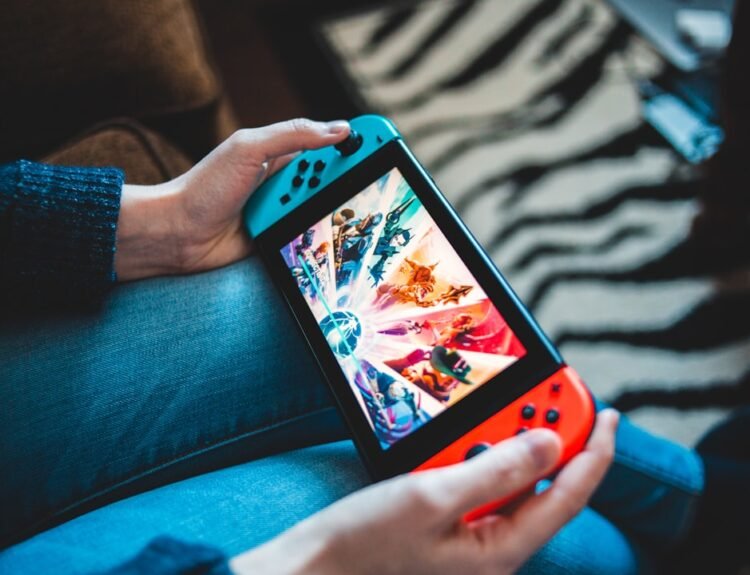
Refresh rates, measured in hertz (Hz), indicate how many times a display can redraw the image per second. In the context of mobile gaming, this metric is crucial as it directly influences the fluidity and responsiveness of gameplay. A standard refresh rate for many mobile devices is 60 Hz, meaning the screen refreshes 60 times per second.
However, with advancements in technology, many modern smartphones now support higher refresh rates, such as 90 Hz, 120 Hz, or even 144 Hz. This increase allows for smoother animations and transitions, which can significantly enhance the overall gaming experience. The concept of refresh rates is not limited to just the display; it also interacts with frame rates, which refer to how many frames per second (FPS) a game can render.
Ideally, a higher refresh rate can display more frames, leading to a more immersive experience. For instance, if a game runs at 120 FPS on a device with a 120 Hz refresh rate, players will notice smoother movements and less motion blur compared to a device limited to 60 Hz. Understanding this relationship is essential for gamers who want to optimize their mobile gaming experience.
Key Takeaways
- Refresh rates in mobile gaming refer to the number of times the screen refreshes per second, measured in Hertz (Hz).
- Higher refresh rates result in smoother and more responsive gameplay, reducing motion blur and input lag.
- High refresh rates offer advantages such as improved visual clarity, faster response times, and enhanced overall gaming experience.
- Refresh rates directly impact graphics and visuals, with higher rates providing sharper images and more fluid motion.
- In competitive gaming, refresh rates are crucial for gaining a competitive edge, as they can improve reaction times and overall performance.
Impact of Refresh Rates on Gameplay Experience
The impact of refresh rates on gameplay experience is profound and multifaceted. A higher refresh rate can lead to reduced input lag, which is the delay between a player’s action and the corresponding response on-screen. In fast-paced games, such as first-person shooters or racing titles, even a slight delay can be detrimental.
Players may find themselves missing critical shots or failing to navigate tight corners effectively if their device cannot keep up with their inputs. Thus, a higher refresh rate can provide a competitive edge by ensuring that actions are reflected on-screen almost instantaneously. Moreover, the visual fluidity afforded by higher refresh rates contributes to a more engaging gaming experience.
When characters move smoothly across the screen and animations appear seamless, players are more likely to feel immersed in the game world. This immersion is particularly important in narrative-driven games or those with rich graphics and detailed environments. The ability to perceive motion clearly and without stutter enhances not only enjoyment but also the player’s ability to react to in-game events swiftly.
Advantages of High Refresh Rates for Mobile Gaming

High refresh rates offer several advantages that cater specifically to mobile gamers. One of the most significant benefits is the enhanced responsiveness during gameplay. With a higher refresh rate, players can expect quicker feedback from their actions, which is particularly beneficial in competitive scenarios where split-second decisions can determine victory or defeat.
For example, in multiplayer online battle arena (MOBA) games or battle royale titles, being able to react faster than opponents can be the difference between winning a match or being eliminated. Additionally, high refresh rates contribute to improved visual clarity during fast movements. In action-packed sequences where characters or objects are moving rapidly across the screen, a higher refresh rate minimizes motion blur and ghosting effects that can obscure details.
This clarity allows players to track moving targets more effectively and enhances their overall situational awareness within the game environment. As a result, high refresh rates not only improve performance but also elevate the aesthetic quality of mobile games.
How Refresh Rates Affect Graphics and Visuals
| Refresh Rate | Effect on Graphics and Visuals |
|---|---|
| 60Hz | Smooth visuals for most applications, but may experience motion blur in fast-paced games or videos. |
| 120Hz | Improved motion clarity and reduced motion blur, providing a better gaming and viewing experience. |
| 240Hz | Even smoother motion and reduced input lag, ideal for competitive gaming and fast-action content. |
The relationship between refresh rates and graphics is intricate and essential for understanding mobile gaming performance. Higher refresh rates can enhance the perception of graphical fidelity by allowing smoother transitions between frames. This smoothness is particularly noticeable in games with high frame rates; for instance, when a game runs at 120 FPS on a 120 Hz display, players experience fluid animations that make character movements appear more lifelike and engaging.
Moreover, high refresh rates can complement advanced graphical features such as high dynamic range (HDR) and improved textures. When combined with these technologies, higher refresh rates can create an immersive visual experience that captivates players. For example, in visually stunning titles like “Genshin Impact,” the combination of high refresh rates and rich graphics allows players to appreciate intricate details in character designs and environments while maintaining smooth gameplay.
This synergy between refresh rates and graphics is vital for developers aiming to create visually appealing mobile games that also perform well under demanding conditions.
Importance of Refresh Rates for Competitive Gaming
In the realm of competitive gaming, refresh rates take on an even greater significance. Professional gamers often seek out devices with high refresh rates to gain an advantage over their opponents. In fast-paced genres like first-person shooters (FPS) or real-time strategy (RTS) games, where precision and timing are crucial, having a device that can display high frame rates with minimal lag can be a game-changer.
For instance, titles like “Call of Duty: Mobile” or “PUBG Mobile” benefit immensely from high refresh rates as they allow players to react more quickly to enemy movements and environmental changes. Furthermore, many competitive gaming tournaments have begun to standardize on devices with higher refresh rates to ensure a level playing field among participants. This trend highlights the growing recognition of refresh rates as a critical factor in competitive integrity.
Players who invest in devices with superior refresh capabilities often find themselves performing better in tournaments and ranked matches due to the enhanced responsiveness and clarity that these displays provide.
Choosing the Right Refresh Rate for Your Mobile Device

When selecting a mobile device for gaming, understanding the available refresh rate options is essential for making an informed decision. While many devices offer standard 60 Hz displays, gamers should consider models that support higher refresh rates if they want to maximize their gaming experience. Devices with 90 Hz or 120 Hz displays are becoming increasingly common and are often marketed specifically toward gamers.
It’s also important to consider how the device’s hardware complements its refresh rate capabilities. A high refresh rate is only beneficial if the device’s processor and graphics unit can consistently deliver high frame rates in games. For example, flagship smartphones equipped with powerful processors like Qualcomm’s Snapdragon series or Apple’s A-series chips are more likely to take full advantage of higher refresh rates without experiencing performance drops during intense gaming sessions.
Therefore, when choosing a mobile device for gaming, it’s crucial to balance both refresh rate and hardware specifications to ensure optimal performance.
Improving Battery Life with Optimized Refresh Rates
One common concern among mobile gamers is battery life, especially when using devices with high refresh rates. While higher refresh rates provide enhanced gameplay experiences, they can also lead to increased power consumption. However, many modern smartphones incorporate adaptive refresh rate technology that dynamically adjusts the display’s refresh rate based on the content being viewed.
For instance, when playing graphically intensive games, the device may switch to a higher refresh rate for smoother gameplay but revert to a lower rate when displaying static content like menus or home screens. This optimization helps strike a balance between performance and battery efficiency. By utilizing adaptive refresh rates, gamers can enjoy the benefits of high-refresh gameplay without sacrificing battery life excessively.
Additionally, some devices offer settings that allow users to manually select their preferred refresh rate based on their gaming habits or battery conservation needs. This flexibility empowers users to tailor their experience according to their priorities.
Future Trends in Mobile Gaming Refresh Rates
As technology continues to evolve, so too will the standards for refresh rates in mobile gaming. The trend toward higher refresh rates is likely to persist as manufacturers strive to create devices that cater to increasingly demanding gaming experiences. Innovations such as 240 Hz displays are already emerging in some flagship models, suggesting that future devices may push these boundaries even further.
Moreover, advancements in software optimization will play a crucial role in maximizing the potential of high-refresh-rate displays. Game developers are likely to continue refining their engines to support higher frame rates while maintaining graphical fidelity. As mobile gaming becomes more competitive and immersive, players will increasingly seek out devices that offer superior performance metrics like refresh rates alongside other features such as resolution and processing power.
In conclusion, understanding and leveraging refresh rates in mobile gaming is essential for both casual and competitive gamers alike. As technology advances and player expectations rise, staying informed about these developments will be key to enhancing the overall gaming experience on mobile devices.
FAQs
What is a mobile refresh rate?
A mobile refresh rate refers to the number of times a display refreshes the image on the screen per second, measured in Hertz (Hz). A higher refresh rate results in smoother and more fluid motion on the screen.
Why does mobile refresh rate matter for gaming?
Mobile refresh rate matters for gaming because it directly impacts the visual experience and gameplay. A higher refresh rate can reduce motion blur, input lag, and screen tearing, resulting in a more responsive and immersive gaming experience.
What is the standard refresh rate for mobile devices?
The standard refresh rate for most mobile devices is 60Hz, meaning the screen refreshes 60 times per second. However, some high-end smartphones now offer refresh rates of 90Hz, 120Hz, or even 144Hz for a smoother gaming and overall user experience.
How does a higher refresh rate benefit mobile gaming?
A higher refresh rate benefits mobile gaming by providing smoother and more responsive gameplay, reducing motion blur and input lag, and enhancing the overall visual experience. This can be particularly beneficial for fast-paced and competitive games.
Can all mobile games take advantage of higher refresh rates?
Not all mobile games are optimized to take full advantage of higher refresh rates. Some games may not support refresh rates higher than 60Hz, while others may offer options to adjust the refresh rate within the game settings. It’s important to check the game’s compatibility with higher refresh rates before expecting a noticeable difference in gameplay.