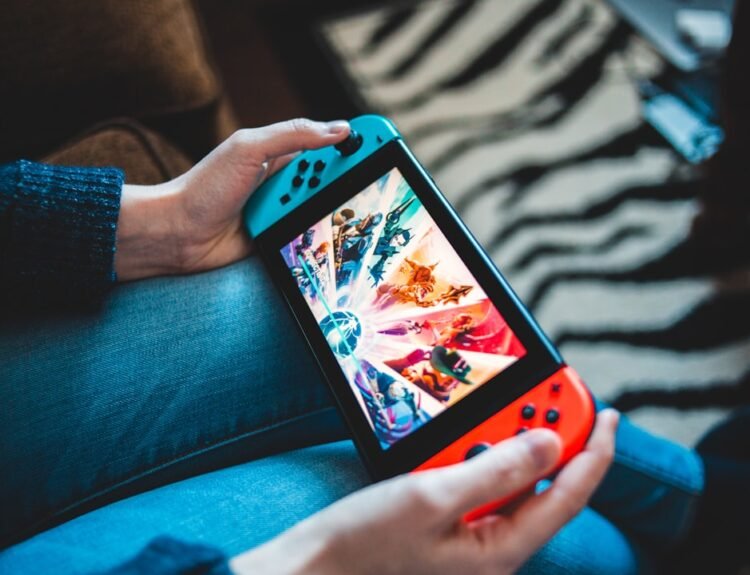
Cloud gaming, a revolutionary approach to video gaming, has emerged as a significant trend in the digital entertainment landscape. This innovative technology allows players to stream games directly from remote servers rather than relying on local hardware. By leveraging high-speed internet connections, cloud gaming enables users to access a vast library of games on various devices, including smartphones, tablets, and smart TVs.
This shift from traditional gaming models has opened up new possibilities for both casual and hardcore gamers, making high-quality gaming experiences more accessible than ever before. The concept of cloud gaming is not entirely new; it has been in development for over a decade. However, advancements in internet infrastructure, such as the rollout of 5G networks and improvements in broadband speeds, have significantly enhanced the feasibility of this model.
As a result, cloud gaming has gained traction among gamers who seek convenience and flexibility. With the ability to play demanding titles without the need for expensive consoles or high-end PCs, cloud gaming is poised to reshape the gaming industry and redefine how we think about game ownership and accessibility.
Key Takeaways
- Cloud gaming allows users to stream and play video games over the internet without the need for high-end hardware.
- Cloud gaming works by running games on powerful servers and streaming the video and audio to the player’s device, while the player’s inputs are sent back to the server.
- Advantages of cloud gaming include accessibility on various devices, no need for expensive hardware, and the ability to play high-quality games on lower-end devices.
- Disadvantages of cloud gaming include potential latency issues, reliance on internet connection, and limited game library on some platforms.
- The future of cloud gaming looks promising with advancements in technology, 5G networks, and the potential for more game developers to embrace the platform.
How Cloud Gaming Works
At its core, cloud gaming operates on a client-server model where the game runs on powerful remote servers rather than on the user’s device. When a player initiates a game session, the server processes all the game data and renders the graphics in real-time. The resulting video stream is then sent to the player’s device, which displays the gameplay while simultaneously sending user inputs—such as button presses or joystick movements—back to the server.
This process occurs in milliseconds, creating an experience that feels seamless to the player. The technology behind cloud gaming relies heavily on robust internet connectivity. A stable and high-speed connection is essential for minimizing latency—the delay between a player’s input and the corresponding action on screen.
Latency can significantly impact gameplay, especially in fast-paced genres like first-person shooters or competitive multiplayer games. To mitigate these issues, many cloud gaming services utilize data centers strategically located around the world to reduce the distance between the server and the player. Additionally, adaptive streaming technologies are employed to adjust video quality based on the user’s bandwidth, ensuring a smooth experience even in fluctuating network conditions.
Advantages of Cloud Gaming

One of the most significant advantages of cloud gaming is its accessibility. Players no longer need to invest in expensive gaming hardware or worry about system requirements for new titles. With cloud gaming, even devices with modest specifications can run graphically intensive games as long as they have a reliable internet connection.
This democratization of gaming allows a broader audience to engage with high-quality titles that were previously out of reach for many. Moreover, cloud gaming offers unparalleled convenience. Gamers can switch between devices seamlessly, picking up where they left off on a smartphone during their commute or continuing on a smart TV at home.
This flexibility caters to modern lifestyles where mobility and multitasking are paramount. Additionally, many cloud gaming platforms operate on subscription models, granting users access to extensive libraries of games for a flat monthly fee. This approach not only reduces the cost per game but also encourages players to explore genres and titles they might not have considered otherwise.
Disadvantages of Cloud Gaming
| Disadvantages of Cloud Gaming |
|---|
| 1. Internet Dependency |
| 2. Latency Issues |
| 3. Quality and Resolution |
| 4. Limited Game Selection |
| 5. Cost of Subscription |
Despite its many advantages, cloud gaming is not without its drawbacks. One of the most pressing concerns is the reliance on internet connectivity. Players in areas with slow or unstable internet may experience lag, buffering, or even disconnections during gameplay, which can be frustrating and detrimental to the overall experience.
While advancements in technology are helping to bridge this gap, there remains a significant portion of the population that lacks access to high-speed internet. Another notable disadvantage is the potential for reduced game quality compared to local installations. While cloud gaming services strive to deliver high-definition graphics and smooth gameplay, factors such as compression algorithms and bandwidth limitations can lead to visual artifacts or lower frame rates.
For gamers who prioritize graphical fidelity and performance—such as those who play competitively—this can be a significant drawback. Furthermore, issues related to data privacy and ownership arise when games are hosted on remote servers, leading some players to question whether they truly own their digital purchases.
The Future of Cloud Gaming
The future of cloud gaming appears promising as technology continues to evolve. With ongoing advancements in internet infrastructure, particularly with the expansion of 5G networks, latency issues are expected to diminish significantly. This improvement will enhance the overall user experience and make cloud gaming more viable for competitive play.
Additionally, as more developers embrace this model, we can anticipate an increase in exclusive titles designed specifically for cloud platforms. Furthermore, artificial intelligence and machine learning are likely to play pivotal roles in shaping the future of cloud gaming. These technologies can optimize server performance, predict player behavior for personalized experiences, and enhance graphics rendering in real-time.
As these innovations unfold, we may see an even more immersive and engaging gaming landscape that blurs the lines between reality and virtual experiences.
Popular Cloud Gaming Platforms

Several platforms have emerged as leaders in the cloud gaming space, each offering unique features and game libraries. Google Stadia was one of the first major entrants into this market, allowing players to stream games directly from their browsers without requiring downloads or installations. Although it faced challenges regarding game availability and service viability, it set a precedent for future services.
NVIDIA GeForce NOW is another prominent player that allows users to stream games they already own from platforms like Steam or Epic Games Store. This service appeals to gamers who want to leverage their existing libraries without needing powerful hardware. Xbox Cloud Gaming (formerly known as Project xCloud) integrates seamlessly with Xbox Game Pass, providing subscribers access to a vast array of titles across devices.
Sony’s PlayStation Now also offers a robust selection of games for streaming on PlayStation consoles and PCs. Each platform has its strengths and weaknesses, catering to different segments of the gaming community while contributing to the overall growth of cloud gaming.
Considerations for Cloud Gaming
When contemplating whether cloud gaming is right for you, several factors should be taken into account. First and foremost is your internet connection quality; a stable and fast connection is crucial for an enjoyable experience. If you live in an area with limited broadband options or frequent outages, traditional gaming methods may be more suitable.
Additionally, consider your gaming preferences and habits. If you enjoy playing graphically demanding titles or competitive multiplayer games where every millisecond counts, you may find local installations more satisfying than streaming options. Conversely, if you value convenience and access to a diverse library of games without significant upfront costs, cloud gaming could be an excellent fit.
Lastly, think about your long-term commitment to gaming platforms. Many cloud services operate on subscription models that require ongoing payments for access to their libraries. Evaluate whether this aligns with your budget and how often you plan to engage with new titles.
Is Cloud Gaming Right for You?
As cloud gaming continues to evolve and gain popularity, it presents both exciting opportunities and challenges for gamers worldwide. The accessibility and convenience it offers can be transformative for those looking to explore new titles without heavy investments in hardware. However, potential drawbacks such as reliance on internet connectivity and concerns about game quality must be carefully weighed.
Ultimately, whether cloud gaming is right for you depends on your individual circumstances and preferences. By considering factors such as your internet connection quality, gaming habits, and budgetary constraints, you can make an informed decision about whether this innovative approach aligns with your gaming lifestyle. As technology advances and more players enter this space, cloud gaming will likely continue to shape the future of interactive entertainment in profound ways.
FAQs
What is cloud gaming?
Cloud gaming is a type of online gaming that allows users to play games through remote servers hosted on the internet. Instead of running games on a local device, the game is streamed to the user’s device, and the user’s inputs are sent back to the cloud server.
How does cloud gaming work?
Cloud gaming works by using powerful servers to run the game and then streaming the video and audio to the user’s device. The user’s inputs are sent back to the server, allowing for real-time interaction with the game.
What are the pros of cloud gaming?
– No need for expensive gaming hardware
– Access to a wide range of games without needing to download or install them
– Ability to play on multiple devices, including smartphones and tablets
– Reduced load times and faster updates
What are the cons of cloud gaming?
– Dependence on a stable and high-speed internet connection
– Potential for input lag and latency issues
– Limited control over game settings and customization
– Concerns about data privacy and security